
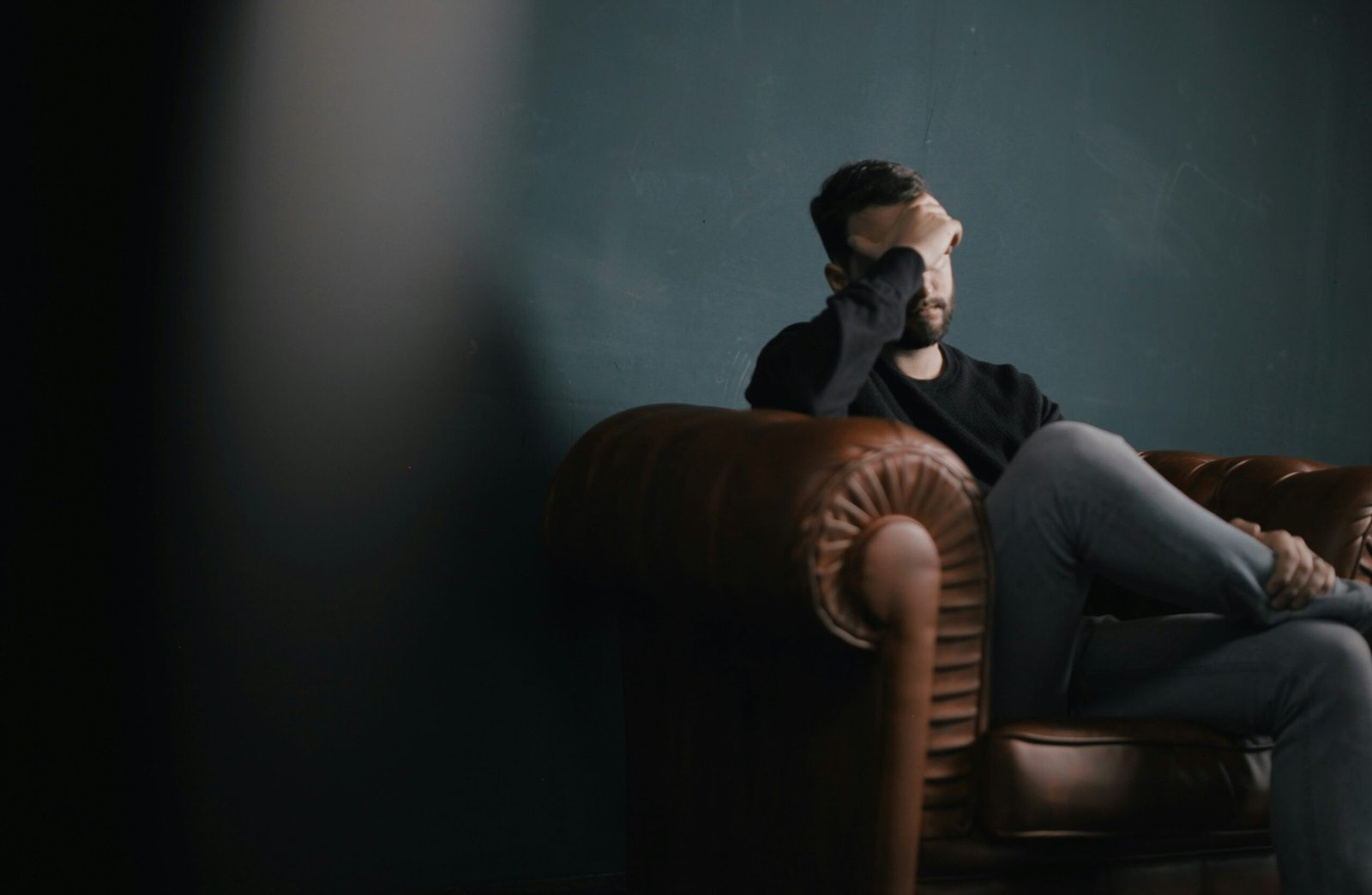
What Is Anxiety?
Anxiety is a natural response to stress, often manifesting as worry or fear about what lies ahead. While mild anxiety can serve as a motivating force, aligning with the concept of positive stress, excessive or chronic anxiety can have detrimental effects on both mental and physical health.
Common Triggers of Anxiety
- Work pressures
- Financial uncertainties
- Personal relationships
Understanding these triggers is crucial for developing effective stress management strategies.
The Effects of Anxiety on the Body
Anxiety doesn’t just affect your emotions—it has profound physical consequences. Elevated stress levels can cause an increase in cortisol, the hormone associated with the stress response.
Potential Health Risks of Chronic Stress:
- High blood pressure
- Heart disease
- Weakened immune system
- Fatigue and muscle tension
- Increased risk of panic attacks
Recognizing anxiety as both a mental and physical concern is crucial for long-term well-being.
The Psychological Impact of Anxiety
Beyond physical health, anxiety can take a toll on emotional well-being. Common psychological effects include: ✔ Feelings of isolation and inadequacy
✔ Burnout and emotional exhaustion
✔ Difficulty focusing and decision-making
✔ Increased irritability and mood swings
Identifying whether stress is beneficial (motivating and action-driven) or harmful (overwhelming and health-damaging) is key to managing it effectively.
Identifying Your Stress Triggers
Recognizing what causes your stress is the first step toward managing it. Many people experience stress-related symptoms without fully understanding why.
Effective Methods to Identify Stress Triggers
📝 Journaling – Writing down daily emotions and events can reveal patterns of stress triggers.
🧘 Mindfulness Practices – Staying present and acknowledging stress without judgment can increase self-awareness.
🔍 Self-Reflection – Setting aside time to assess emotional responses can highlight common stressors.
Understanding acute stress vs. chronic stress allows individuals to differentiate between short-term, manageable stress and long-term, damaging anxiety.
Practical Steps to Manage Anxiety
Effectively managing anxiety requires proactive techniques to promote calmness and clarity. Here are some proven methods:
1️⃣ Deep Breathing Exercises
- Take slow, deliberate breaths.
- Inhale through the nose, hold for a few seconds, and exhale through the mouth.
- Activates the body’s relaxation response and lowers cortisol levels.
2️⃣ Meditation & Mindfulness
- Spend 5-10 minutes daily focusing on the present moment.
- Helps detach from intrusive thoughts and reduce anxiety-driven stress.
- Long-term practice improves emotional regulation.
3️⃣ Physical Exercise
- Engaging in activities like walking, yoga, or cardio releases endorphins, which improve mood.
- Regular movement helps prevent chronic stress buildup.
4️⃣ Effective Time Management
- Break down large tasks into manageable steps.
- Prioritize daily responsibilities to avoid overwhelm and procrastination.
By integrating these stress management techniques into daily routines, individuals can develop resilience and emotional balance.
Seeking Professional Help: When and How
If anxiety disrupts daily life, seeking professional help can be a critical step toward long-term well-being.
When to Seek Help
📌 Anxiety persists for extended periods.
📌 It interferes with daily tasks, relationships, or work.
📌 Symptoms include panic attacks, insomnia, or excessive worry.
Treatment Options
✔ Cognitive-Behavioral Therapy (CBT) – Helps reframe negative thought patterns.
✔ Medication (SSRIs, Benzodiazepines) – Prescribed for severe anxiety cases.
✔ Holistic Approaches – Lifestyle changes, nutrition, and alternative therapies.
Many people hesitate to seek help due to misconceptions about therapy. However, reaching out to a professional is a sign of strength, not weakness.
Final Thoughts
Recognizing how stress affects the body and mind is essential for long-term emotional well-being. By using self-awareness techniques, healthy stress management practices, and seeking support when needed, individuals can overcome anxiety and lead a balanced, fulfilling life.
📍 Take the first step today—small changes can lead to big improvements.