Calm your mind with these proven short-term and long-term tools for managing anxiety, building resilience, and knowing when to seek professional help
💭 What Is Anxiety — and Why Do We Feel It?
Managing anxiety begins with understanding its root.
Anxiety is a natural, human emotion — a built-in survival mechanism that once helped our ancestors respond to danger. But in today’s world, where sabre-toothed tigers have been replaced by emails, deadlines, and social expectations, our bodies still react with the same intensity.
When you feel anxious, your brain activates the fight-or-flight response. Hormones like adrenaline and cortisol surge through your system, causing physical symptoms like:
- a pounding heart
- shallow breathing
- tense muscles
- and hyper-alertness
These reactions are helpful in emergencies, but when they’re triggered by daily stressors — a meeting, a difficult conversation, or financial pressure — they can overwhelm.
Anxiety can also stem from:
- genetics (family history)
- past trauma
- current life circumstances
It’s important to differentiate between normal stress and anxiety disorders. While occasional worry is natural, persistent anxiety that disrupts your daily life is a sign to take action — with care and compassion.
🧘♀️ Managing Anxiety in the Moment: Ground Yourself Gently
When anxiety hits suddenly, having a few go-to techniques can help restore calm. Here are three practical tools you can use anywhere, anytime:
🔹 1. The Grounding Technique – 5-4-3-2-1
Bring yourself back to the present with this sensory exercise:
- 5 things you can see
- 4 things you can touch
- 3 things you can hear
- 2 things you can smell
- 1 thing you can taste
This mindfulness hack gently shifts your brain from fear to focus.
🔹 2. Breathe with Intention
Try this calming rhythm:
Inhale for 4 seconds → Hold for 4 → Exhale for 6
Repeat for 3–5 minutes. Your breath is always with you — use it as your anchor.
🔹 3. Shift Your Energy
Move your body, stretch, take a walk, or even do five jumping jacks. Or, channel your feelings into creative expression: journal your thoughts, sketch a quick doodle, or put on your favourite playlist.
These mini-distractions aren’t avoidance — they’re emotional first aid.
🌱 Long-Term Strategies for Managing Anxiety and Building Resilience
To truly thrive, it’s essential to build lasting habits that support your emotional well-being. Think of these as your mental wellness toolkit.
🗓️ Create a Supportive Daily Routine
Consistency brings comfort. Wake up, eat, work, and sleep around the same times each day. Structure reduces uncertainty — and anxiety loves uncertainty.
💪 Move Your Body Regularly
Exercise is nature’s mood booster. Aim for 30 minutes of movement (walks count!) at least three times a week to release endorphins and lower stress.
🥗 Nourish Your Mind Through Food
Your brain needs fuel. Choose whole, colourful foods: leafy greens, whole grains, lean proteins, nuts, and seeds. Skip the sugar crashes — they mess with your mood.
🛏️ Prioritise Sleep
Your body can’t heal if you don’t rest. Set a soothing bedtime routine: soft lighting, screen-free time, calming tea or a book, and a consistent bedtime.
🧘 Embrace Mindfulness
Meditation, deep breathing, or even quiet reflection in the morning can reset your nervous system. Just 10 minutes a day makes a difference.
✍️ Journal for Self-Discovery
Writing out your feelings helps you recognise triggers, process emotions, and track your progress. No one needs to read it but you.
🗣️ Therapy Is a Strength
Whether it’s counselling, CBT, or holistic approaches, professional support gives you personalised strategies that work for you. You don’t have to do it alone.
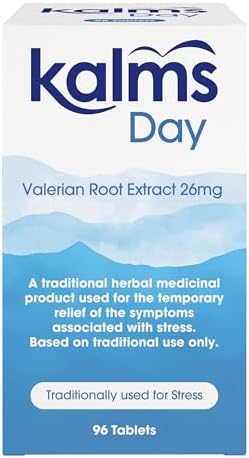
- What are Kalms Day? Kalms Day are a traditional remedy, which are used to relieve irritability, anxiety and the stresses…
- Kalms Day contain extracts of two herbs VALERIAN ROOT. Valerian is used to relieve restlessness and sleep disturbances. …
- Who can use it? For adults and the elderly. Not recommended for children or adolescents under 18 years old.