🌊 The Emotional Storm: Where It All Began
For most of my life, emotions felt like crashing waves—unpredictable, overwhelming, and relentless. Whether it was the silent weight of anxiety or the loud ache of sadness, I often found myself lost at sea, unable to name what I was feeling, let alone understand it.
One memory stands out: I was in a high-pressure role at work, barely keeping up with deadlines, constantly questioning my worth. I’d wake up each morning feeling a mix of dread and pressure, even on days where everything looked fine on the outside. I smiled in meetings, laughed with friends—but inside, the turbulence was deafening.
Even my closest relationships weren’t immune. I held my emotions in, terrified of burdening others. But suppressed feelings always find a way out—and for me, that came in the form of unexpected outbursts, or long nights of staring at the ceiling, emotionally drained.
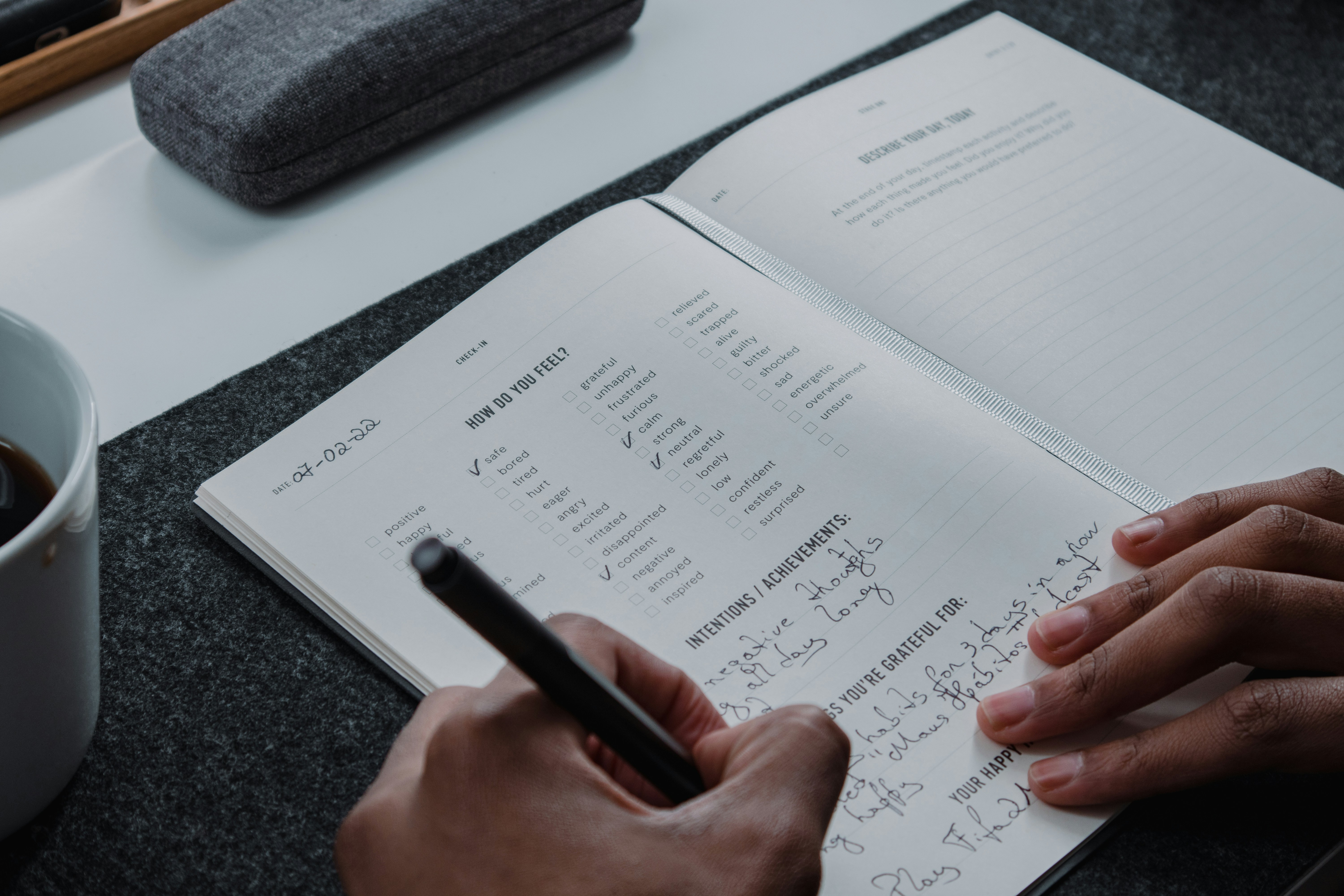
And then… I picked up a pen.
✍️ The Turning Point: Discovering the Power of Journaling
At first, journaling was just a shot in the dark. I didn’t expect it to change anything. But something shifted the moment I allowed myself to be honest on paper.
No rules. No judgement. Just me, my thoughts, and the safety of the page.
Through consistent writing, I began to understand what was truly going on beneath the surface. Journaling wasn’t just a way to vent—it became a mirror. I saw myself more clearly. I noticed patterns. I uncovered buried triggers. I started to connect the dots.
🗝️ Journaling unlocked emotional insight that conversations alone never could.
Different journaling styles helped me explore from multiple angles:
📝 Free writing helped me empty a busy mind.
🌈 Gratitude lists brought focus to the positives I often overlooked.
🧩 Prompted journaling encouraged deep reflection on specific emotions or events.
🔍 What I Found: Emotional Insights Through Writing
The beauty of journaling is how it gently holds space for the truth.
As I filled each page, I began noticing things I’d missed for years—like how certain situations consistently triggered anxiety, or how I avoided expressing sadness by staying “busy.” Seeing these patterns written out gave me a sense of control I didn’t know I was missing.
✨ Some insights that changed the game:
Stress was often linked to transitions, not just negative events.
I confused productivity with self-worth.
I wasn’t broken—I was just overwhelmed and unheard.
By identifying these truths, I could finally respond to my emotions rather than be ruled by them. I was no longer drowning—I was learning to swim.
📓 “When you name it, you can tame it.”
🌟 The Shift: From Journaling to Clarity
The most powerful part of this journey? I didn’t have to “fix” everything. I just had to see it more clearly.
Over time, the act of journaling:
Brought calm to emotional chaos 🌿
Helped me spot early signs of burnout 🔥
Built emotional resilience, one page at a time 🛡️
Reconnected me with joy, purpose, and peace ☀️
I now use journaling as a core part of my emotional wellness routine. It’s a place I return to—especially when the world feels too loud or I feel too disconnected.
💬 Final Thoughts: Your First Page Awaits
If you’re in a season of emotional fog, I invite you to try journaling. You don’t need to be a writer. You don’t need fancy stationery. You just need a willingness to listen inward.
🧠 Tip to get started: Begin each entry with “Today, I feel…” and see where the pen takes you.
📖 This isn’t about perfection—it’s about presence.
With each entry, you’ll move from chaos to clarity.
And maybe, just like me, you’ll find that the journey inward is the most freeing of all.